
Mastering Event Coordination with Human Virtual Assistants: A Comprehensive Guide
What Are the Essential Functions of Human Virtual Assistants in Event Coordination?
Event Coordination Wins with Human Virtual Assistants: Human virtual assistants are instrumental in enhancing event coordination efficiency, providing invaluable support across a range of essential functions. Their key responsibilities encompass scheduling, communication, and logistics management. For example, a virtual assistant can adeptly manage an event planner's calendar, manage all event planners' calendars, and seamlessly manage pivotal milestones. This not only alleviates the need for a seamless kload but also significantly reduces the risk of errors that commonly arise from manual management. In a noteworthy instance, an international conference organiser employed a human virtual assistant to manage participant registrations and communications, resulting in a remarkable 30% reduction in administrative errors and a notable improvement in attendee satisfaction. Such real-world applications exemplify how incorporating virtual assistants can streamline event coordination and deliver superior outcomes across the board.
What Are the Core Elements of Successful Event Planning with Virtual Assistants?
Successful event planning is substantially bolstered by the effective use of human virtual assistants, which lay a robust foundation for both organisation and execution. Essential tools and techniques that enhance coordination include:
- Collaborative scheduling tools
- Real-time communication platforms
- Automated reminders and alerts
- Resource management software
By harnessing these features, event planners can save precious time while adeptly adapting to the ever-evolving demands of event coordination. For instance, virtual assistants can automate reminder emails to attendees, significantly improving engagement and allowing planners to concentrate on higher-level strategic initiatives and creative tasks. This synergy between technology and human oversight ensures that every aspect of event planning is executed with precision and care.
What Strategies Should Be Employed for the Initial Setup of Event Coordination?
Integrating human virtual assistants into the event coordination process necessitates meticulous planning and execution. Initial setup strategies should prioritise training and resource allocation to guarantee that virtual assistants can function effectively within established workflows. Event planners may initiate this process by defining specific tasks for the virtual assistant, followed by tailored training sessions to enhance the virtual assistant's proficiency with organisational software and procedures. Furthermore, allocating resources for ongoing support and constructive feedback will significantly boost productivity and facilitate the virtual assistant’s adaptation to the unique demands of each event. This proactive approach not only ensures a smooth operational flow but also enhances the overall efficiency and effectiveness of event planning.
How Can Common Challenges in Event Coordination Be Overcome with Virtual Assistants?
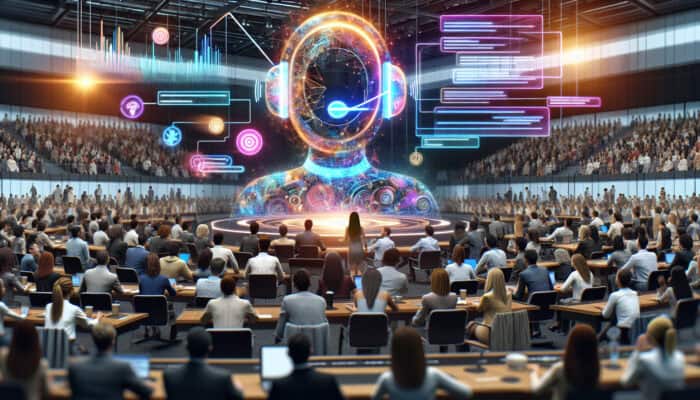
Common challenges, such as communication breakdowns or unexpected changes, can hinder event success. Nevertheless, human virtual assistants can effectively mitigate these obstacles by employing proactive measures and promoting adaptability. For instance, in the event of an unexpected speaker cancellation, a virtual assistant can promptlynotifyh attendeesofg the change and present alternative options. This ability to respond swiftly and efficiently not only preserves a positive atmosphere during the event but also highlights the resilience of event management practices across various contexts. By equipping virtual assistants with the necessary tools and authority to manage such changes, event planners can ensure smoother transitions and heightened participant satisfaction.
What Methods Are Effective for Evaluating and Enhancing Virtual Assistants' Performance in Events?
To maximise the coordination provided by human virtual assistants, it is crucial to implement robust evaluation methods that assess their effectiveness. Performance metrics such as response times, task completion rates, and user feedback offer valuable insights into their contributions. For instance, conducting regular performance reviews can pinpoint areas needing improvement, leading to customised training sessions that address specific skill gaps. Additionally, continuous improvement strategies may involve collecting user feedback through surveys or post-event debriefings. This iterative approach guarantees that the virtual assistant evolves in tandem with the team's needs, enhancing scalability and fostering innovation to achieve better outcomes.
How Can Event Coordination Significantly Benefit from Human Virtual Assistants?
What Are the Primary Advantages of Virtual Assistants in Daily Operations?
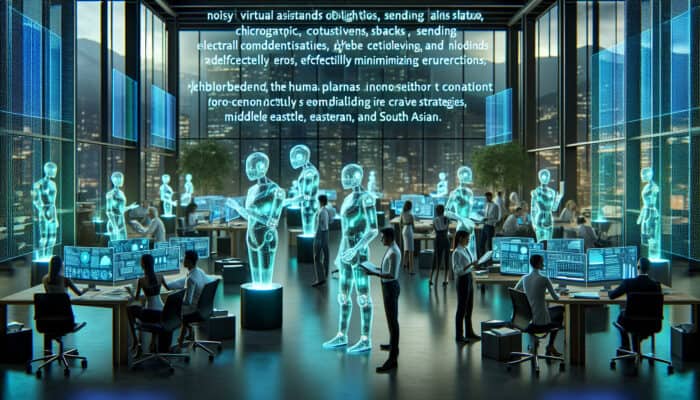
Human virtual assistants confer numerous key advantages upon daily operations in event coordination. Their ability to enhance task management and minimise errors ultimately leads to a more dependable execution of events. By automating routine tasks, such as sending confirmation emails, they help maintain both accuracy and efficiency. This automation not only reduces the likelihood of human error but also allows event planners to focus on strategic planning and the creative elements vital to the success of their events. Moreover, virtual assistants facilitate scalability by enabling organisations to manage larger events without proportionately increasing staffing, thereby maintaining cost-effectiveness in a global landscape.
What Impact Do Virtual Assistants Have on Team Dynamics?
Virtual assistants play a transformative role in team dynamics by fostering enhanced collaboration and communication. Their presence ensures that all team members remain informed and engaged throughout the planning process. For example, a virtual assistant can centralise communication by utilising collaborative platforms that enable team members from various locations to access information and updates in real time. This promotes a cohesive team environment where everyone is aware of their respective responsibilities and timelines. In addition, reducing strategic burdens enhances team morale, allowing members to focus on creative problem-solving and innovative approaches to event challenges.
How Can Success Be Measured Through Improved Efficiency?
Assessing the success of integrating human virtual assistants into event coordination involves evaluating performance gains through various metrics. Metrics such as faster response times and improved resource utilisation serve as essential indicators of overall efficiency. For instance, tracking the time a virtual assistant takes to complete a specific task compared to previous benchmarks can yield actionable insights into their effectiveness. Additionally, implementing feedback mechanisms allows event planners to evaluate changes in attendee satisfaction and engagement levels. Through ongoing analysis, organisations can ensure that the benefits of utilising virtual assistants are sustained, ultimately leading to enhanced event success.
Expert Insights on Achieving Event Coordination Success with Human Virtual Assistants
What Advanced Techniques Are Recommended by Specialists?
To optimise the capabilities of human virtual assistants, experts recommend a variety of advanced techniques that can significantly enhance coordination effectiveness. Key strategies include:
- Customising task assignments based on individual strengths
- Utilising data analytics to comprehend participant behaviour
- Implementing automated workflows for repetitive tasks
- Regular training sessions to update skills and knowledge
By employing these methods, event planners can ensure that their virtual assistants operate at peak efficiency. For instance, customising tasks allows planners to leverage their virtual assistants' specific strengths, thereby enhancing overall productivity and ensuring tasks are completed to the highest standard.
What Common Challenges Do Experts Identify, and What Solutions Do They Recommend?
Despite the myriad advantages of utilising human virtual assistants, challenges such as task overload and miscommunication often arise. Experts recommend tailored solutions to address these issues effectively. For instance, establishing clear communication protocols can prevent misunderstandings and guarantee that all team members remain aligned. Furthermore, implementing workload management tools can facilitate the equitable distribution of tasks among team members, alleviating pressure on any single virtual assistant. By providing these targeted solutions, event planners can overcome common hurdles and promote a more effective event planning process on a global scale.
Why Do Expert Approaches Lead to Enhanced Results?
Expert approaches in event coordination deliver substantial value by refining processes and bolstering productivity. Experienced professionals draw on historical best practices and current industry trends to inform their recommendations. For example, a professional might emphasise the importance of continuous learning within teams, ensuring that the skills of human virtual assistants evolve alongside technological advancements. Such expert analyses not only yield long-term benefits, including improved event outcomes and heightened participant satisfaction, but also cultivate a culture of innovation within organisations. This forward-thinking approach ultimately reinforces the success of events across diverse settings.
What Are the Key Advantages of Human Virtual Assistants in Events?
How Do Virtual Assistants Enhance Flexibility in Planning?
Human virtual assistants inherently enhance flexibility in event planning by enabling rapid adjustments in response to changing circumstances. Their adaptable features enable real-time updates and customisation tailored to each event's unique requirements. For instance, if a last-minute venue change is necessary, a virtual assistant can swiftly communicate updates to all stakeholders, ensuring everyone remains informed without delay. This flexibility is crucial in maintaining event momentum and fostering an environment where planners can proactively respond to emerging challenges, thereby ensuring a seamless experience for all involved.
What Are the Best Practices for Integrating Virtual Tools for Seamless Coordination?
Integrating virtual assistants with existing event planning tools is vital for achieving seamless coordination. By employing user-friendly interfaces and ensuring ease of integration, event planners can enhance overall functionality. For example, connecting a virtual assistant to a project management application enables automatic updates and effortless data sharing. This compatibility not only boosts efficiency but alsoreducess the likelihood of errors arising from manual data entry. Thus, integrating virtual tools streamlines the planning process, promoting a cohesive and organised approach across various event management platforms.
What Long-Term Value Does Virtual Assistant Adoption Provide?
The long-term value of adopting human virtual assistants in event management lies in their ability to drive sustained efficiency gains while fostering innovation. By embedding these assistants within organisational workflows, businesses can cultivate an environment focused on continuous optimisation. Strategies for ongoing enhancement may include regular assessments of assistant performance and iterative training programmes designed to address emerging trends. This proactive approach not only prepares organisations for future challenges but also positions them to seize new opportunities as they arise, ensuring enduring organisational growth and event success.
How Do Human Virtual Assistants Contribute to Cost-Effectiveness and Resource Optimisation in Event Management?
Human virtual assistants play a crucial role in reducing expenses through task automation, enabling event organisers to allocate budgets more efficiently and scale operations without necessitating additional staff. By minimising errors associated with manual processes, organisations can enhance their financial sustainability, ensuring that resources are directed where they are most needed. For instance, a virtual assistant can automate the registration process for an event, not only expediting participant sign-ups but also ensuring accurate data collection that ultimately informs future planning efforts. This strategic allocation of resources underscores the overall effectiveness of integrating virtual assistants in event management.
How Do Virtual Assistants Enhance Participant Engagement and Satisfaction Levels?
Virtual assistants significantly boost participant engagement and satisfaction levels through personalised interactions. By providing tailored recommendations and immediate support, they enhance attendee involvement in events. For example, a virtual assistant could suggest session timings based on individual preferences or offer instant answers to queries during an event. Such proactive engagement fosters a sense of connection among attendees and can lead to improved retention for future gatherings. By creating positive event experiences, organisations can establish long-term relationships with their participants, ultimately driving repeat attendance and loyalty towards future events.
Research-Backed Benefits of Event Coordination with Human Virtual Assistants
What Evidence Supports the Effectiveness of Virtual Assistants in Coordination?
Research demonstrates thatimplemethat implementingual assistantsfassistants fordinatiocoordination yieldst productivitproductivity gainsreductions. Studies indicate that when event teams leverage virtual assistants, they complete tasks faster and improve communication accuracy. Actionable steps derived from these findings may include adopting best practices, such as regular training, and implementing specific technologies aligned with organisational objectives. By systematically applying these insights, organisations can optimise their event coordination efforts and achieve measurable results.
What Core Benefits Are Identified in Expert Analyses of Virtual Assistants?
Expert analyses consistently highlight core benefits of human virtual assistants, including enhanced accuracy and support in event coordination. Reliable sources underscore that virtual assistants improve data management and streamline communication channels. Real-world examples illustrate this practical value; for instance, an event planning firm that integrated a virtual assistant reported a 40% increase in data accuracy and a significant reduction in communication errors. Such findings illuminate the transformative potential of virtual assistants and their vital role in optimising event management strategies.
What Strategies Can Be Employed to Leverage Research Insights?
Effectively leveraging research insights involves applying study results to enhance event outcomes. Event planners can focus on evidence-based adaptations that align with their unique organisational goals. Key strategies include:
- Implementing feedback loops for continuous improvement
- Utilising data analytics to refine event strategies
- Regularly updating training programmes based on research findings
- Engaging in best practice sharing within professional networks
By applying these implementation tips, organisations can strategically harness research insights to drive innovation and enhance the effectiveness of their event planning processes.
How Can Virtual Assistants Be Effectively Integrated into Event Planning?
What Steps Are Necessary for Initial Incorporation into Workflows?
To successfully integrate human virtual assistants into event planning workflows, organisations should adopt a structured approach. Initial steps should emphasise training and testing to ensure seamless integration. Event planners can begin by delineating the virtual assistant's specific roles and providing comprehensive training sessions to familiarise them with company protocols. Testing workflows is equally vital; organisations should simulate event scenarios to evaluate how the assistant operates in real-time. This method not only enhances confidence in the assistant's capabilities but also highlights areas needing further improvement, ensuring optimal results.
How Can Potential Barriers to Integration Be Overcome?
Common barriers to integration, such as team resistance or a lack of understanding of the technology, can impede the successful adoption of virtual assistants. Addressing these challenges necessitates clear communication and ongoing support. Event planners should involve team members actively in the integration process, elucidating the benefits of virtual assistants for enhancing their own work efficiency. Additionally, providing resources and establishing open channels for queries can foster acceptance and alleviate concerns. By employing adaptive measures, organisations can cultivate a supportive environment that promotes efficient planning. Are Effective for evaluating and Refining Integration Processes?
Assessing and refining integration processes for human virtual assistants is essential to ensuring consistent performance and maximising benefits. Techniques such as regular evaluations of assistant usage and effectiveness enable event planners to make informed adjustments. Metrics to measure enhancements can include task completion rates, team member feedback, and overall event outcomes. By continuously monitoring these factors, organisations can develop a proactive approach to optimisation, ensuring that the integration of virtual assistants remains aligned with evolving organisational needs.
How Can Virtual Assistants Be Integrated with Existing Event Tools?
Linking human virtual assistants to current-event planning software is crucial for seamless data exchange and enhanced functionality. Organisations should focus on conducting compatibility assessments to determine the best integration strategies for existing tools. For example, connecting a virtual assistant with a customer relationship management (CRM) system can streamline participant engagement by automating follow-ups and personalised communications. Best practices should emphasise thorough testing of integrations and ongoing evaluations to ensure that the systems operate effectively together. By prioritising these measures, organisations can significantly boost efficiency and reduce errors in event organisation.
What Metrics Are Important for Measuring the Impact on Event Outcomes?
Quantifying the benefits of human virtual assistants for event success requires using multiple metrics to assess their impact. Key measurement techniques include tracking time savings, attendee satisfaction levels, and communication error rates. For instance, organisations can analyse the time required for various tasks before and after integrating virtual assistants to gauge improvements. Additionally, collecting participant feedback through surveys can provide solid insights into satisfaction levels. By employing data analysis methods to refine strategies, organisations can effectively demonstrate return on investment (ROI) and foster continual optimisation in event planning.
What Emerging Developments Are Influencing Event Coordination and Virtual Assistants?
What Trends Are Shaping Future Event Management Tools?
The rapidly evolvingtechnology landscapey continues to shape future event management tools, introducing innovative features that enhance coordination. Current trends include the rise of artificial intelligence (AI) and machine learning, which empower virtual assistants to provide more personalised experiences for attendees. For example, AI can analyse attendee interactions and suggest tailored content or networking opportunities, significantly enhancing engagement levels. As these technologies advance, organisations must remain vigilant about industry developments to ensure they can leverage new tools effectively and maintain a competitive edge in event management.
How Do Regular Updates Enhance Virtual Assistant Capabilities?
Regular updates are pivotal in enhancing the functionality of human virtual assistants, leading to greater efficiency and improved outcomes. As event planning software evolves, virtual assistants must adapt to new features and capabilities. For instance, updates may introduce advanced data analytics tools, allowing virtual assistantsto manage attendee information and preferences betters. By prioritising regular software upgrades and training sessions, organisations can ensure their virtual assistants remain up-to-date and fully utilise the latest functionalities, thereby maximising their potential in event coordination.
What Steps Should Be Taken to Prepare for Upcoming Changes in Practices?
To adapt to the changing landscape of event management tools and practices, organisations should proactively implement measures to ensure effectiveness and responsiveness. This includes developing training programmes focused on new technologies and creating flexible strategies that accommodate various event formats. Moreover, fostering a culture of innovation within teams will facilitate the exploration of new ideas and practices, ensuring that organisations remain agile in their planning. By fostering a forward-thinking environment, organisations can confidently navigate upcoming changes and maintain their relevance in the dynamic world of event coordination.
FAQs
What Tasks Can Human Virtual Assistants Handle in Event Coordination?
Human virtual assistants can manage a wide range of tasks, including scheduling, communication, logistics, and participant registration. Their role is critical in streamlining operations and minimising errors, ultimately leading to better event outcomes.
How Do Virtual Assistants Improve Team Communication?
Virtual assistants enhance team communication by centralising information sharing and keeping all team members up to date, fostering a collaborative environment and promoting efficient project management.
What Metrics Are Important for Evaluating Virtual Assistant Performance?
Key metrics for evaluating virtual assistant performance include response times, task completion rates, user feedback, and overall impact on event outcomes. Regular assessments help optimise their effectiveness.
How Can Organisations Ensure a Smooth Integration of Virtual Assistants?
To ensure smooth integration, organisations should provide comprehensive training, outline clear roles, and conduct testing simulations. Engaging team members early in the process can also facilitate acceptance.
What Advantages Do Virtual Assistants Offer for Scaling Events?
Virtual assistants empower organisations to scale events without proportional increases in staffing, as they can automate tasks and efficiently manage larger volumes of work. This leads to enhanced cost-effectiveness.
How Do Virtual Assistants Enhance Participant Engagement?
Virtual assistants boost participant engagement by providing personalised interactions, instant support, and tailored recommendations, resulting in increased satisfaction and retention.
What Are the Long-Term Benefits of Adopting Virtual Assistants?
Long-term benefits of adopting virtual assistants include improved efficiency, cost savings, enhanced data accuracy, and the ability to respond to changing event needs, fostering innovation swiftly.
In What Ways Can Research Insights Be Leveraged for Event Planning?
Research insights can be leveraged by implementing evidence-based practices, utilising data analytics for decision-making, and continually refining processes based on feedback and performance metrics.
How Can Organisations Measure the ROI of Virtual Assistants?
Organisations can measure ROI by tracking time savings, assessing improvements in attendee satisfaction, and analysing cost reductions linked to fewer errors and streamlined processes.
What Future Trends Should Event Planners Be Aware Of?
Event planners should stay informed about trends such as AI and machine learning integration, which can enhance personalisation and streamline processes, ensuring that events remain engaging and efficient.