
Understanding the Essential Role of Human Virtual Assistants in Enhancing Online Education
What Essential Skills Are Required for Virtual Assistants in Education?

Education Sector Human Virtual Assistants for Online Courses: In the rapidly evolving landscape of online education, virtual assistants play a critical role in facilitating effective learning experiences. To excel in this dynamic environment, they must possess a diverse range of skills to support learners effectively. These assistants are crucial for facilitating interactive sessions, managing educational resources, and ensuring that students feel engaged and supported throughout their courses. The essential skills they should possess include:
- Communication skills: Clear and concise communication is vital for conveying information and instructions effectively.
- Adaptability: They must swiftly adjust to different learning styles and individual student needs.
- Technical proficiency: Familiarity with various educational technology platforms is essential for seamless interactions.
- Problem-solving: They should efficiently address student queries and issues in real-time.
- Empathy: A deep understanding of students' emotional and educational challenges significantly enhances the support provided.
- Organisational skills: Effectively managing schedules and resources is crucial for smooth operations.
- Data analysis: The ability to interpret learner data enables the provision of tailored support to meet specific needs.
- Collaboration skills: Working effectively with educators and fellow staff enhances the overall learning experience.
By acquiring these competencies, virtual assistants can deliver exceptional support, ultimately enriching the online education experience for all involved.
Identifying Key Features That Make Virtual Assistants Effective
Effective virtual assistants are equipped with features specifically designed to enhance the learning experience for students. They offer personalised feedback and scheduling options that are pivotal in adapting to individual learning paces. This adaptability not only customises the educational journey but also ensures timely support, which is crucial for maintaining high levels of student engagement. Furthermore, these features allow learners' unique needs to be addressed, enabling them to navigate their coursework more effectively and efficiently. Such an approach has been shown to improve overall course completion rates, as students feel increasingly connected to the learning process and are motivated to succeed in their studies.
How Are Human Virtual Assistants Integrated into Online Courses?
The seamless integration of human virtual assistants into online courses is fundamental to maximising their effectiveness. They can be integrated through chat interfaces, which enable real-time communication between students and assistants without disrupting the learning flow. Automated responses can also be implemented to ensure that students receive immediate assistance while balancing educators' workloads. Thoughtful integration is necessary to complement existing teaching tools, thereby enhancing the educational experience without overwhelming users with unnecessary complexity or confusion. This careful consideration ensures that both students and educators benefit from the additional support provided by virtual assistants.
Examining the Impact of Virtual Assistants on Student Outcomes

Human virtual assistants have a profound impact on student learning outcomes by offering tailored support and encouragement throughout the educational process. This personalised approach leads to higher retention rates and greater satisfaction in online education settings. By catering to individual learning styles and preferences, virtual assistants facilitate a better understanding of complex concepts, allowing students to grasp them more readily. However, it is crucial to recognise potential drawbacks, such as the risk of over-reliance on technology. Solutions to this challenge include promoting a balanced approach that encourages students to engage critically with content while utilising virtual assistance for supplementary support when needed.
How Do Human Virtual Assistants Significantly Enhance Learning Experiences?
What Common Challenges Do They Address in Online Education?
Human virtual assistants are instrumental in overcoming common challenges in online education, particularly accessibility barriers. By providing round-the-clock guidance, they ensure that learners from diverse backgrounds can access the support they need, regardless of their geographic location or time zone. This inclusivity not only makes education more efficient but also significantly enhances access for all students, permitting them to engage with materials and seek assistance when needed. Additionally, virtual assistants alleviate some of the pressures on educators, enabling a more focused and effective approach to teaching and learning.
What Impact Do Virtual Assistants Have on Student Interaction and Engagement?
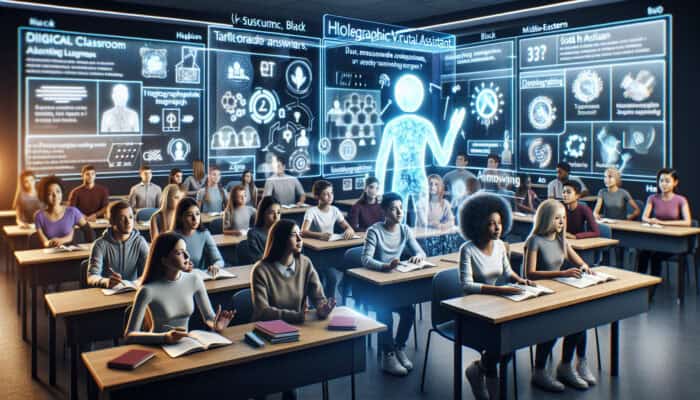
Virtual assistants actively foster better engagement by facilitating real-time queries and delivering customised responses tailored to the unique needs of individual learners. This dynamic interaction boosts student motivation and enhances knowledge retention within educational environments. By creating a supportive atmosphere where students feel comfortable asking questions, virtual assistants effectively bridge the gap between learners and course material. The immediacy of responses encourages active participation, fostering a vibrant, interactive learning atmosphere. As students engage with these assistants, they develop a sense of connection that further drives their educational journey and promotes an enriching online learning experience.
What Are the Benefits of Virtual Assistants for Course Creators?
For course creators, human virtual assistants streamline content delivery and tracking, allowing educators to focus on developing high-quality materials that align with established learning goals. By automating routine tasks and efficiently managing student queries, virtual assistants free up valuable time for course creators. This enables them to focus on refining course content and improving pedagogical strategies. Additionally, insights gathered from virtual assistants regarding student progress and engagement can inform future content development, creating a continuous feedback loop that enhances educational quality and effectiveness.
How Do Virtual Assistants Contribute to Personalised Learning Experiences?
Human virtual assistants play a pivotal role in personalising students' learning experiences. They adapt to individual learning styles by analysing user data and delivering tailored content that resonates with each learner's unique preferences and needs. This personalised approach not only enhances comprehension but also significantly boosts engagement levels. By providing resources and support that align with individual learning paths, virtual assistants improve educational outcomes for a broader range of learners. This ensures that each student can progress at their own pace, ultimately achieving their academic goals and fostering a more inclusive educational environment.
Expert Insights on Integrating Human Virtual Assistants in Online Courses
What Actionable Steps Are Necessary for Successful Implementation?
Implementing human virtual assistants within online courses requires careful strategic planning and thoughtful execution. Begin by identifying user-friendly platforms that facilitate the seamless integration of virtual assistants into existing course frameworks. Successful integrations often involve phased rollouts, allowing educators to assess the effectiveness of the assistants and make necessary adjustments based on user feedback. For example, a course offered by a prominent online university successfully integrated virtual assistants by initially deploying them for administrative tasks and gradually expanding their roles to provide academic support as users became more accustomed to the technology and its capabilities.
What Advanced Techniques Can Be Used for Customisation of Virtual Assistants?
Customising virtual assistants to meet specific needs is crucial for optimising their functionality and effectiveness. This process involves refining algorithms to enhance responsiveness and tailoring interactions based on unique user data. By employing advanced analytics, educators can gain a better understanding of student behaviours and preferences, enabling the development of more effective virtual assistant responses. Techniques such as A/B testing can help identify the most effective configurations, ensuring that virtual assistants provide the highest level of support and satisfaction for learners. This attention to detail ensures that each interaction is meaningful and contributes positively to the overall learning experience.
How Can the Effectiveness of Virtual Assistants Be Measured?
To determine the effectiveness of human virtual assistants, it is essential to employ real-world examples of evaluation metrics. Key metrics to consider include engagement levels, course completion rates, and student satisfaction scores. These quantitative measures, paired with qualitative feedback from learners, provide actionable insights that can refine virtual assistant strategies. Assessment tools for tracking progress might encompass:
- Engagement analytics: Tracking the frequency and duration of interactions between students and virtual assistants.
- Feedback surveys: Collecting student opinions on the effectiveness and usefulness of virtual assistants.
- Completion rates: Monitoring course completion statistics before and after implementation of virtual assistants.
- Learning outcomes: Evaluating changes in academic performance as a result of virtual assistant support.
Utilising these tools ensures a comprehensive understanding of how virtual assistants affect students' educational experiences and outcomes.
What Benefits Do Human Virtual Assistants Offer to Students?
How Do They Support Personalised Learning for Individual Students?
Human virtual assistants significantly support personalised learning by adapting educational content to align with students' individual preferences and learning speeds. This tailored approach empowers learners to progress at their own pace, a critical factor for effective knowledge retention and understanding. By allowing students to interact with educational materials that resonate with their unique styles, virtual assistants enhance comprehension, ensuring that each student feels empowered and supported throughout their educational journey. This level of personalised attention helps create a more engaging and effective learning environment, ultimately leading to improved academic performance.
What Are the Everyday Uses of Virtual Assistants in Coursework?
In the context of coursework, virtual assistants provide invaluable support with assignments and revisions, significantly reducing students' stress. They offer interactive features that clarify complex concepts and provide instant feedback on work submitted. This real-time assistance enables learners to comprehend material more effectively, fostering a deeper understanding of various subjects. As students engage with their coursework, the guidance and resources offered by virtual assistants transform the often daunting task of studying into a more manageable and enjoyable experience, paving the way for academic success.
What Potential Drawbacks Should Be Considered When Using Virtual Assistants?
While the advantages of human virtual assistants are substantial, it is essential to acknowledge potential drawbacks. Overreliance on these tools can diminish critical thinking skills, as students may become accustomed to seeking immediate answers rather than engaging in independent problem-solving. To mitigate this risk, educators must encourage a balanced use of virtual assistance, promoting a culture of inquiry and exploration alongside the benefits of instant support. This balance ensures that students retain essential cognitive skills while leveraging technological resources for enhanced learning.
How Do Human Virtual Assistants Promote Collaborative Learning?
Human virtual assistants foster collaborative learning by facilitating group discussions and shared projects and by providing tools that enhance real-time collaboration among students. By offering platforms for students to connect, share ideas, and develop teamwork skills, virtual assistants enrich the overall educational experience. These tools enable students to work together effectively, promoting peer interaction that deepens their understanding of course material. As learners engage in collaborative projects, they not only reinforce their knowledge but also cultivate essential social skills necessary for both academic and professional success.
How Do Virtual Assistants Provide Real-Time Feedback to Enhance Learning?
Real-time feedback from human virtual assistants is a powerful tool for enhancing student learning outcomes. By offering immediate corrections and suggestions on students' work, these assistants help identify errors swiftly, allowing learners to address misconceptions promptly. This process accelerates improvement, as students can learn from their mistakes and build confidence in their abilities over time. The continuous feedback loop fosters a growth mindset, encouraging students to view challenges as opportunities for development and learning rather than as obstacles.
Research-Backed Strategies for Implementing Human Virtual Assistants in Online Courses
What Key Strategies Should Be Followed for Successful Adoption?
Adopting human virtual assistants in online education requires a strategic approach grounded in research-backed methods. Begin with comprehensive planning that considers user needs, potential barriers to integration, and the specific goals of introducing virtual assistants. Establishing clear objectives for their deployment, alongside real-world examples of phased rollouts, can ensure smooth transitions and sustained user engagement. For example, pilot programmes allowing educators and students to trial virtual assistants in selected courses can provide valuable insights and foster a culture of innovation within educational institutions.
What Makes Human Virtual Assistants Reliable Tools in Education?
The reliability of human virtual assistants stems from evidence-based design that prioritises consistent performance and user satisfaction. These assistants offer dependable support that adapts to evolving educational demands, ensuring they remain relevant and effective. Factors contributing to their reliability include:
- User feedback mechanisms: Continuous improvement based on valuable input from students and educators.
- Data-driven decision-making: Leveraging analytics for ongoing adjustments and enhancements to assistive capabilities.
- Robust training protocols: Ensuring virtual assistants are equipped to handle a wide variety of scenarios and user queries.
- Regular updates: Keeping content and functionalities current with emerging educational trends and demands.
By implementing these factors, educational institutions can enhance the reliability of virtual assistants, ensuring they effectively meet the diverse needs of learners.
What Long-Term Maintenance Approaches Should Be Considered?
Maintaining human virtual assistants over the long term involves regular updates and enhancements to keep them relevant in dynamic learning environments. This includes refreshing content in response to curriculum changes, integrating new features based on user feedback, and continually assessing performance metrics. Institutions should establish protocols for consistent evaluation to ensure that virtual assistants evolve alongside advancements in education. Such proactive maintenance ensures these tools remain effective in supporting learners well into the future, providing valuable assistance throughout their educational journeys.
Why Are Virtual Assistants Crucial in the Education Sector?
How Do They Adapt to Varying Learning Needs?
Human virtual assistants are designed to evolve with user feedback, providing flexible support that caters to diverse learning styles and requirements. By analysing student interactions and preferences, these assistants can tailor their responses and resources, ensuring that each learner receives the targeted support they need to achieve success. This adaptability is particularly critical in today's diverse educational landscape, where students come from various backgrounds and face unique learning challenges that require specialised attention.
What Role Do Virtual Assistants Play in Enhancing Accessibility?
In the education sector, human virtual assistants play a vital role in enhancing accessibility and ensuring equal opportunities for all learners. They offer alternative formats and aids that make educational materials more approachable, effectively breaking down barriers that may hinder certain students from accessing content. By providing support in various formats, such as text, audio, or visual aids, virtual assistants ensure that all students can engage with the material effectively, fostering an inclusive learning environment that values diversity and equity.
What Emerging Applications of Virtual Assistants Are Practised in Education?
As technology continues to advance, innovative uses of human virtual assistants are emerging in educational contexts. Collaborative tools, for instance, expand the scope of virtual assistance in everyday learning, enabling students to work together seamlessly across geographical boundaries. These applications greatly enhance the learning experience by fostering peer-to-peer interaction and providing platforms for group activities. By leveraging such innovations, educators can create more engaging and interactive online courses that meet the evolving needs of learners in today's educational landscape.
Anticipated Future Trends in Human Virtual Assistants for Online Courses
How Might Technology Evolve to Enhance Virtual Assistants?
As technology continues to advance, we can expect significant changes in the capabilities of human virtual assistants. Smarter AI integrations may enhance how these assistants interact with learners, enabling more intuitive, context-aware responses. This evolution has the potential to transform educational frameworks, making virtual assistants even more integral to the learning experience by providing tailored support that evolves with students' individual needs, thereby maximising their educational outcomes.
What Potential Innovations Are on the Horizon for Virtual Assistants?
The future holds promising innovations for human virtual assistants in education, particularly regarding enhancing interactivity. Features may include advanced natural language processing capabilities that allow for more nuanced conversations and deeper engagement with learners. These advancements will keep virtual assistants at the forefront of educational tools, ensuring they remain relevant and impactful in meeting students' diverse needs, ultimately contributing to improved learning experiences.
What Ethical Considerations Should Be Addressed in Development?
As virtual assistants become more prevalent in the education sector, addressing ethical considerations will be paramount. Issues such as data privacy, user consent, and equitable access must be prioritised in the design and implementation of these tools. Ensuring that virtual assistants are developed with user trust and fairness in mind will foster a secure and ethical learning environment, ultimately enhancing their acceptance and effectiveness in online education settings.
Frequently Asked Questions About Human Virtual Assistants in Education
What Is the Role of Human Virtual Assistants in Online Education?
Human virtual assistants support learners by providing personalised feedback, managing resources, and facilitating interactive sessions, thereby enhancing the overall online learning experience.
What Skills Are Essential for a Virtual Assistant in Education?
Key competencies include effective communication, adaptability, technical proficiency, problem-solving, empathy, organisational skills, data analysis, and collaboration skills necessary for engaging with learners.
How Do Virtual Assistants Enhance Student Engagement?
Virtual assistants foster engagement through real-time queries and customised responses, motivating students and significantly enhancing knowledge retention across various subjects.
What Challenges Do Virtual Assistants Help to Overcome in Education?
They address accessibility barriers by offering round-the-clock guidance, making education more inclusive and efficient for diverse learners, thus promoting equity in education.
How Do Virtual Assistants Support Personalised Learning?
Virtual assistants adapt content based on individual student preferences and learning styles, enabling learners to progress at their own pace and thereby improving comprehension and retention.
What Are Some Potential Drawbacks of Using Virtual Assistants?
Over-reliance on virtual assistants may diminish critical thinking skills, making it essential to promote balanced use of these tools alongside independent learning to maintain cognitive development.
How Do Virtual Assistants Promote Collaborative Learning Among Students?
Virtual assistants facilitate group discussions and shared projects, providing tools that help students collaborate effectively and develop essential teamwork skills necessary for academic success.
What Strategies Are There for Implementing Virtual Assistants in Education?
Effective implementation requires strategic planning, identifying user-friendly platforms, and conducting phased rollouts to assess effectiveness and make necessary adjustments based on user feedback.
How Do You Measure the Effectiveness of Virtual Assistants in Online Education?
Effectiveness can be measured through engagement analytics, feedback surveys, course completion rates, and learning outcomes assessed in relation to student performance pre- and post-implementation.
What Ethical Considerations Should Be Addressed in the Development of Virtual Assistants?
Data privacy and user consent are crucial ethical considerations that must be prioritised in the development and deployment of virtual assistants in education to ensure a secure learning environment.